
How to Hydrate Skin Properly for Soft Healthy Skin

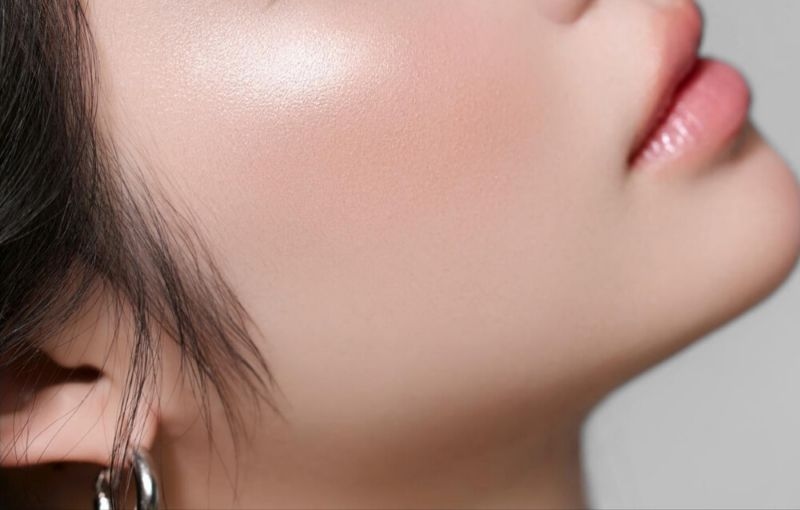
Most people try to fix dryness by applying a thicker cream. Sometimes it helps. Often it does nothing. That is because dry, feeling skin is usually dehydrated skin. You are sealing empty skin instead of filling it first.
Understanding this difference changes results more than switching products. This guide explains how to hydrate skin, how it differs from moisturizing, and how to build a routine that improves texture, glow, and comfort.
References include dermatology education resources and hydration principles explained in The INKEY List skincare knowledge articles, along with standard barrier repair research.
Hydration vs Moisturizing
Hydration means adding water to the skin. Moisturizing means preventing the water from escaping. Both are necessary.
If you only moisturize, your skin feels tight again within hours. If you only hydrate, water evaporates quickly.
Simple example:
Put lotion on a dry sponge, and it stays stiff. Wet the sponge first, then seal it, and it stays soft.
This explains why many people struggle with how to moisturize dry skin even after buying heavier creams.
Another everyday example:
Hands washed repeatedly with soap feel rough even after cream.
Add a hydrating layer first, and the cream suddenly works better because the barrier has something to protect.
Discover More: Exosome Skincare Benefits for Healthy and Youthful Skin
Signs You Actually Have Dehydrated Skin
Flakes are not the only sign of dryness.
Watch for:
- Tightness after cleansing
- Oily shine but dull tone
- Makeup separating around mouth
- Sudden fine lines
- Skin feels thin
- Darker under eye appearance
- Skin gets irritated easily
- Foundation looks patchy by afternoon
Dermatology sources consistently explain dehydration affects every skin type because water content and oil production are different systems.
People with acne frequently experience dehydration because harsh treatments remove protective lipids.
How to Hydrate Skin Step by Step
Follow this order every day because sequence matters more than product type.
1. Clean Without Stripping
Your cleanser determines how much hydration your skin can hold.
Harsh cleansers remove natural lipids and increase water loss.
Barrier damage is a leading cause of dehydration according to skincare education research.
Use a gentle cleanser twice daily.
Quick test:
If your face feels tight before moisturizer, the cleanser is too strong.
Another sign is redness immediately after washing. That indicates barrier disruption, not cleanliness.
2. Apply Hydration on Damp Skin
Timing matters more than product price.
Humectants pull water.
On dry skin they pull water from inside your skin.
Apply hydrating serum within half a minute after washing.
Many people think a product failed when the application method failed.
If your serum pills, it is often because the skin surface was too dry before application.
3. Use Real Hydrating Ingredients
These add water content:
- Hyaluronic acid
- Glycerin
- Panthenol
- Aloe vera
- Beta glucan
Hyaluronic acid binds large amounts of water according to cosmetic chemistry literature and skincare brand education sources.
This forms the core of a proper hydrating skincare routine.
Tip:
Press the product into skin instead of rubbing aggressively. Friction can worsen dehydration.
4. Seal With Moisturizer
Now you lock hydration in place.
Moisturizers prevent transepidermal water loss.
Look for:
- Ceramides
- Squalane
- Cholesterol
- Fatty acids
- Shea butter
This is the real answer to how to moisturize dry skin.
Moisturizer works after hydration exists, not before.
Applying moisturizer on dry skin only softens the surface temporarily.
Best Moisturizer for Dry Skin
The right texture matters more than brand.
Mild Dryness
Light cream with ceramides and humectants
Moderate Dryness
Thicker cream with barrier lipids
Severe Dryness
Occlusive balm at night
Example:
If dryness returns before lunchtime, it is too light.
If skin feels greasy for hours, it is too heavy.
Choosing the best moisturizer for dry skin depends on comfort duration and climate rather than marketing claims.
People in cold climates often need heavier creams compared to humid regions.
Simple Hydrating Skincare Routine
Morning
- Gentle cleanser
- Hydrating serum
- Moisturizer
- Sunscreen
Night
- Cleanser
- Hydrating serum
- Barrier cream
This basic plan fixes most skincare for dry skin complaints within days.
Consistency matters more than product quantity.
Advanced Hydrating Skincare Routine
For persistent dehydration use layering.
- Mist
- Toner
- Essence or serum
- Cream
- Oil at night if needed
Each layer either adds water or seals it.
Dermatology barrier recovery routines often use similar layering principles.
You do not need many products. Even two hydration layers plus cream works effectively.
Suggested Read: Best Moisturizers for Combination Skin Hydrate & Balance
How to Get Glowing Skin
Glow comes from smooth hydrated surface cells.
Dehydrated skin reflects light unevenly and looks dull.
To improve how to get glowing skin:
- Hydrate before exfoliating
- Maintain consistent routine
- Use sunscreen daily
- Avoid over cleansing
Example:
After a long flight skin looks flat because cabin air removes water.
Hydration restores brightness faster than scrubs.
Makeup artists often hydrate skin heavily before foundation to improve finish.
Daily Habits That Improve Hydration
Topical care works better when daily habits support it.
- Drink water regularly
- Avoid very hot showers
- Limit long exposure to dry air
- Reduce over exfoliation
- Pat skin dry instead of rubbing
- Use humidifier during winter
Research shows low humidity increases water evaporation from skin.
Even sleeping near direct air conditioning airflow can increase dehydration overnight.
Common Mistakes
People struggling with skincare for dry skin often:
- Apply oil without hydration
- Skip moisturizer due to acne concerns
- Over wash face
- Apply serum on dry skin
- Exfoliate daily
- Change products too frequently
Correcting these often improves comfort within a week.
Seasonal Adjustments
- Winter: Use thicker moisturizer and fewer cleanses
- Summer: Use lighter cream but keep hydration layers
- Air conditioned offices: Reapply light moisturizer mid day
Hydration needs depend more on environment than age.
Long-Term Benefits of Hydration
Chronic dehydration weakens barrier function.That leads to sensitivity and early fine lines.
Studies in cosmetic dermatology show hydrated skin appears smoother because cells stay plump.
Focusing on how to hydrate skin often improves texture before anti aging products are needed.
Quick Daily Checklist
- Morning: Hydrate then protect
- Night: Hydrate then repair
If tightness continues, increase hydration layers instead of buying thicker cream.
Final Takeaway
Most dryness problems come from incorrect order, not incorrect products.
Hydrate first
Seal second
Protect daily
Follow this consistently and you improve texture, comfort, and how to get glowing skin naturally without complicated routines.
FAQs
How often should you hydrate your skin?
Twice daily minimum. Extra layers help in dry climates and winter months.
Can oily skin follow skincare for dry skin routines?
Yes. Oily skin can be dehydrated and benefits from a hydrating skincare routine using lighter creams.
Does drinking water replace moisturizer?
No. Internal hydration supports the body but external sealing prevents water loss from skin.
This content was created by AI