
Best Moisturizers for Combination Skin Hydrate & Balance

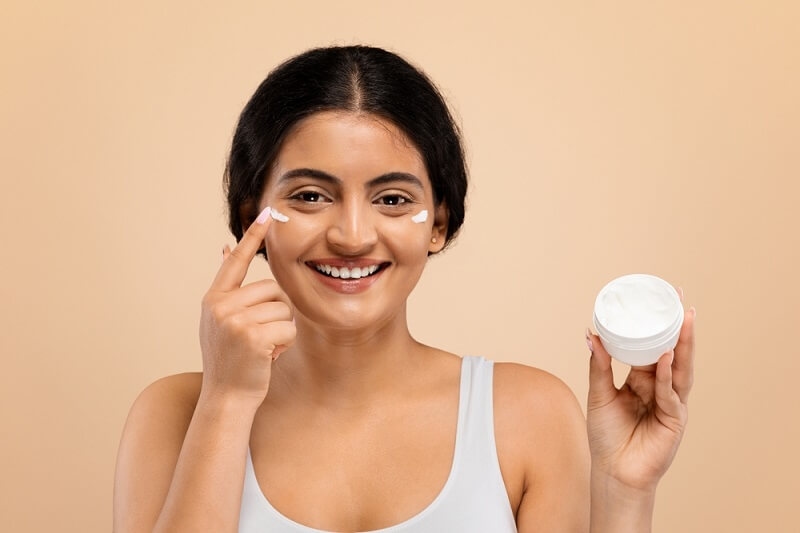
Combination skin feels like a puzzle. Your T-zone shines by noon, while your cheeks and jawline stay tight or flaky. Choosing the right moisturizer for combination skin can feel impossible because you need one product that hydrates without making you oily, controls shine without drying you out, and keeps your skin barrier healthy.
The truth? It’s not about one “magic cream.” It’s about understanding your skin, choosing the right ingredients, and applying them the right way. With a little strategy, you can keep both sides of your skin balanced.
Why Combination Skin Needs Moisturizer
A lot of people with combination skin skip moisturizer because they fear looking greasy. That backfires. When you strip oily areas, your skin produces more sebum to compensate. At the same time, dry patches get even drier. The result is an even shinier T-zone and uncomfortable rough spots.
Moisturizer is non-negotiable. The right formula keeps water in the skin, prevents transepidermal water loss, and restores balance. A lightweight moisturizer works especially well because it absorbs quickly and doesn’t sit on the surface like a heavy cream. Pairing hydration with oil control is the key to harmony.
You may also like: Get The Best 5 Skincare Trends You’ll Want to Try
Ingredients That Work for Combination Skin

Not all moisturizers are built the same. If you want to keep combination skin in check, you need to know what ingredients make the difference.
Hyaluronic Acid
A must-have for combo skin. This ingredient pulls water into the skin, giving hydration without heaviness. A hyaluronic acid moisturizer plumps dry areas while keeping the T-zone fresh.
Niacinamide
The multitasker. It regulates oil, minimizes the look of pores, and calms irritation. Great for people who deal with occasional breakouts.
Ceramides
Essential for repairing the skin barrier. They prevent water loss, which keeps dry areas soft without adding grease.
Squalane
A lightweight hydrator that mimics your skin’s natural oils. It moisturizes without clogging pores, making it a staple in any non-comedogenic moisturizer.
Gel-Based Textures
A hydrating gel moisturizer is the safest bet for combination skin. It gives the water your skin needs but disappears without leaving a film.
Fragrance-Free Options
Fragrance can irritate sensitive, dry patches. Stick to oil-free moisturizer formulas that focus on skin health, not scents.
Types of Moisturizers for Combination Skin
When it comes to texture, the formula matters as much as the ingredients.
- Hydrating Gel Moisturizer: Water-based, refreshing, and ideal for daily use. Perfect for oily zones that need hydration without shine.
- Oil-Free Moisturizer: Designed to hydrate without adding extra oil. Great if your T-zone tends to get greasy.
- Lightweight Moisturizer: A middle ground between gel and cream. Absorbs fast, works under makeup, and won’t clog pores.
- Non-Comedogenic Moisturizer: Ensures pores stay clear, reducing the chance of blackheads or breakouts.
- Hyaluronic Acid Moisturizer: Targets dryness specifically, giving thirsty areas long-lasting hydration.
The best strategy is often mixing textures—using a gel on your T-zone and a slightly richer lotion on drier areas.
Don’t Miss: Self-Care Routine for Long-Term Wellness and Mental Balance
How to Apply Moisturizer Correctly
Combination skin isn’t just about what you use, but how you use it.
- Start with clean skin. Use a gentle cleanser that removes oil without stripping moisture.
- Apply on damp skin. Moisturizers trap water better when your skin isn’t bone dry.
- Use the zone method. A hydrating gel moisturizer for the forehead, nose, and chin; a lightweight moisturizer or creamier formula for cheeks.
- Don’t overapply. A pea-sized amount is usually enough. More product doesn’t mean better results.
- Layer with intention. If you use serums, let them absorb before sealing everything in with your moisturizer.
Seasonal Skincare for Combination Skin
Your skin doesn’t behave the same year-round, so your moisturizer shouldn’t either.
- Summer: Heat and humidity make oiliness worse. A hydrating gel moisturizer or an oil-free moisturizer keeps skin refreshed and shine-free.
- Winter: Dry air calls for more barrier support. Layer a hyaluronic acid moisturizer with a richer lotion on dry zones while still keeping gels on the T-zone.
- Spring and Fall: Transitional months are unpredictable. A lightweight moisturizer that adapts to both dryness and oil is ideal.
Rotating textures seasonally is one of the easiest ways to stay balanced.
Layering Moisturizer with Other Products
Combination skin responds well to layering. The trick is knowing what goes first and what goes last.
- Cleanser: Start with a gentle cleanser that doesn’t strip.
- Serum: Hydrating serums with hyaluronic acid prep the skin.
- Moisturizer: Lock in hydration with a non-comedogenic moisturizer.
- Sunscreen: Always your final step in the morning. Many prefer an oil-free moisturizer with SPF to avoid layering too many products.
If you’re using treatments like retinol or exfoliating acids at night, sandwich them between a hydrating serum and a lightweight moisturizer to reduce irritation.
Common Mistakes People Make with Combination Skin
Even with the best moisturizer for combination skin, mistakes can throw your routine off.
- Skipping moisturizer entirely. This leads to more oil, not less.
- Using one heavy cream everywhere. Oily zones don’t need the same product as dry patches.
- Ignoring “non-comedogenic” labels. Without it, breakouts are more likely.
- Not adjusting seasonally. A winter cream in July will suffocate your skin.
- Over-cleansing. Stripping oils makes your T-zone overcompensate.
Correcting these habits often makes as much difference as the product you choose.
Long-Term Benefits of the Right Moisturizer
When you commit to the right routine, you’ll notice more than just fewer dry patches or less shine.
- Your skin barrier gets stronger.
- Makeup applies more evenly.
- Breakouts are less frequent.
- Your skin tone looks balanced instead of patchy.
- Hydration lasts all day without constant touch-ups.
The right moisturizer for combination skin is an investment in balance, and balance is what gives skin that healthy, natural glow.
Discover More: Top Picks For The Best Beauty Advent Calendars This Year
Final Thoughts
Combination skin doesn’t need to feel overwhelming. The secret lies in finding balance through the right textures and ingredients. A hydrating gel moisturizer cools down oily areas, while a hyaluronic acid moisturizer revives dry spots. An oil-free moisturizer prevents excess shine, and a non-comedogenic moisturizer ensures your pores stay clear.
Consistency matters more than perfection. Adjust for the seasons, apply correctly, and stick to formulas that support both sides of your skin. With time, you’ll notice less oil where you don’t want it, fewer flaky patches, and hydration that feels effortless.
Combination skin is complex, but the solution is simple: the right lightweight moisturizer makes balance possible.
This content was created by AI