
Boost Your Home Wellness with the Best Indoor Plants


Turning your space into a much healthier sanctuary has now become easy and very beautiful. Indoor plants are more than just decorative things to put in; they are nature's air purifying systems that can greatly improve the quality of air in your home. The right choices can mean cleaner air, less stress, and a complete increase in overall health.
In this guide, we will analyze what the best indoor plants for cleaner air are, give basic plant care instructions, and look at some easy care plants that can be kept in any home. These plants will help you create a healthier living environment, with more life even when you are a beginner in gardening.
The Importance of Air Purifying Plants
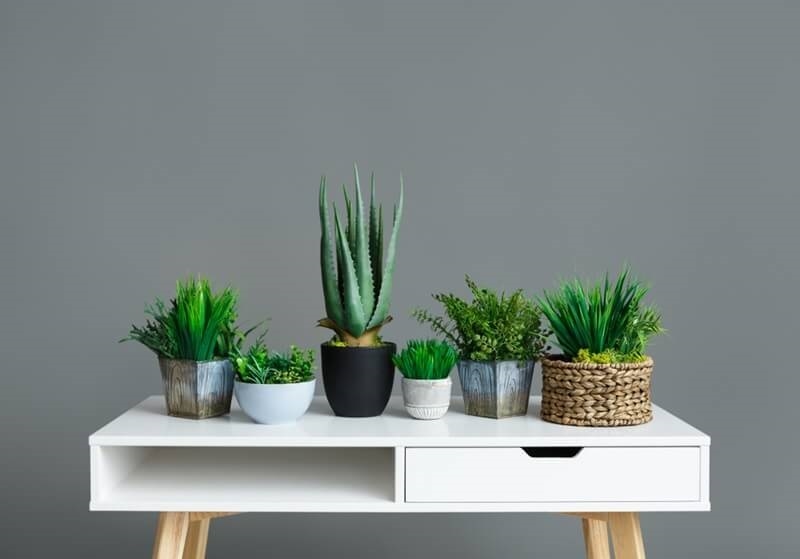
Indoor plants do not only beautify the house but they also offer far more than that. They assist greatly in improving the air quality as they oxygenate the environment through the elimination of harmful gases.
A few researchers at NASA have shown that some plants can remarkably get rid of gases such as formaldehyde, benzene, and trichloroethylene. People are bettering their homes by adding air purifying plants which will allow them to extend healthier living.
Also Read: 5 Easy Indoor Plants to Elevate Your living Room Decor
Best Indoor Plants That Eliminate Air Pollution
There are a few plants that are great selections for maintaining cleaner air because they are easy to care for - and these stand out as some of the best. Not only do they enhance air quality, they’re also easy to maintain. Here is a selection of ideal purifying plants for you:
Spider Plant (Chlorophytum comosum)
Within this category, the spider plant is the most popular for its cleansing capacity and ease of maintenance. It particularly does a good job at cleansing the air from xylene and formaldehyde. Perfect for beginners, spider plants do well in most conditions and prefer bright, indirect light.
Peace Lily (Spathiphyllum)
Removing benzene, formaldehyde, and trichloroethylene makes the peace lily an excellent addition for improving air qualities. They do great in low to moderate light environments, and with busy homeowners neglecting them won’t be a problem either.
Snake Plant (Sansevieria trifasciata)
Its other name, Mother-in-law's tongue, makes the snake plant sound harsh, but in fact, it is one of the most low-maintenance plants. The snake plant can tolerate a wide range of growing conditions, and conveniently, it takes out formaldehyde and benzene effectively. With little light and excessive moisture, Snake plants bloom magnificently, making them wonderful for people who aren't skilled gardeners.
Aloe Vera
Along with its medicinal uses, Aloe Vera is helpful in air purification as well. It has been known to get rid of formaldehyde and benzene as well. Aloe Vera plants do need bright light and well-draining sand, therefore, a sunny window would be perfect.
English ivy (Hedera helix)
A well-known air purifier, English Ivy also stands as one of the most uniquely attractive plants which makes it popular to have around. They are able to subtract probably the most common pollutants like benzene or even formaldehyde. Commonly, they are placed in hanging baskets so they can be freely grown out as well as trained to climb other things around in one's home.
An Introduction to Houseplant Care
To maximize the growth and development of the indoor plants while ensuring the air quality is consistently improving, certain measures must be put in place. Listed below are some useful pointers to help you maintain an indoor garden.
Light Conditions
Knowing your plants’ light requirements is a very important consideration when it comes to your plants’ health. Low or moderately low light conditions are acceptable for some plants, but the majority require indirect sunlight. Use conventional windows to place the plants or artificial grow lights in order to help them grow.
Potting Mix and Water
Watering your plants along with the soil they grow in has a big impact on the plants’ health. Underwatering wilts the plant but so does overwatering due to rot in the roots. You will be better off with planting soil that easily classes water and then pouring water on the plants only when the upper inch of the soil is dry. Be sure to modify the water amount for other kinds of plants as well.
Temperature, Humidity, and General Indoor Climate
Most, if not all, indoor plants are able to flourish at moderate humidity temperatures. The majority of houseplants will prefer the temperature range of 65-75° F (18-24° C) during the day but will like it slightly lower during the night time. Plant pots can also be placed on a tray with water, or humidifiers can be used to raise humidity levels.
Fertilizing
To promote strong and healthy growth, fertilizing regularly is beneficial. During the growing season, apply a balanced water-soluble fertilizer every four to six weeks. Remember to check the package instructions so you do not over-fertilize.
You Might Even Like: Essential Best Garden Tools Every Gardener Needs
Low-Maintenance Plants for Busy Homeowners
If you are ever in need of indoor plants for the less gardening inclined, there are several options to choose from. These plants are ideal for busy homeowners or novice gardeners. Here are some low-maintenance plants to begin with.
ZZ Plant (Zamioculcas zamiifolia)
ZZ plants are one of the most hardy and low maintenance houseplants. They are effective at removing toxins from the air and can survive in low light conditions with little to no water. ZZ plants are ideal for anyone who struggles to take care of plants.
Pothos (Epipremnum aureum)
Pothos is a well-known yet still relatively easy plant to care for. They are very helpful in improving indoor air quality and removing formaldehyde and benzyne. Pothos is a great starter plant for those that do not have much experience with caring for plants, as it is tolerant to low light and low watering.
Philodendron
Philodendron is an incredibly beautiful plant that can grow in almost every condition. It is useful in removing formaldehyde from the air as well as tolerating low light and sparse watering. Philodendron is good for every indoor garden.
Home Wellness: The Benefits of Indoor Plants
Aside from improving air quality, house plants have significant advantages in home wellness. They can help in relieving stress, uplifting moods, and aiding in creating a more comfortable surrounding. Here are some of the major advantages of having indoor plants in your house:
Stress Reduction
Indoor plants are known to promote relaxation and reduce stress. The existence of green plants helps create a tranquil environment, resulting in low levels of anxiety and improving overall health.
Improved Mood
Having indoor plants is proven to improve moods and provide a sense of happiness. Caring for the plants gives a sense of purpose and achievement which helps in improving general wellbeing.
Enhanced Productivity
Improved and even pleasant environments created by indoor plants enhance productivity. Indoor plants allow for a higher level of focus and concentration and are therefore a key element to home offices and workspaces.
Enhanced Sleep
All of the important sleep-promoting plants like the Peace lily and Snake plant give off oxygen during the night which, aside from improving the air quality, also helps in promoting better sleep. These plants, when placed in the bedroom, can do wonders in improving the environment of the room.
Conclusion
All it takes to transform your home into a welcoming and healthier space is the addition of the appropriate indoor plants. The positive impacts of stress reduction, better health and clean air can be achieved by utilizing air purifying plants alongside proper care.
Be it your first attempt or DIY horticulture, the new plants will help transform the living space to a more health conscious and appealing one. Indoor plants can greatly improve the quality of life and one shouldn’t wait long to start making use of its green magic.
This content was created by AI