
Connected Cars and the Future of Smarter Everyday Driving

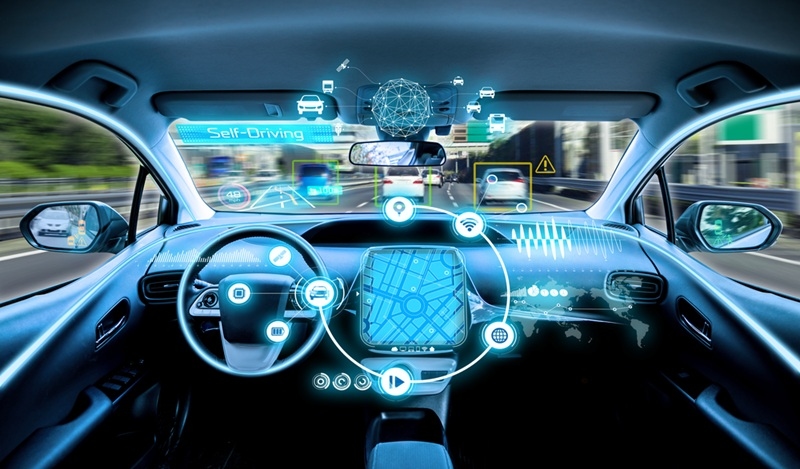
Connected cars have shifted from being a luxury idea to something you now expect in most new vehicles. The change did not happen overnight. It grew slowly, trip by trip, until drivers began noticing how much easier and safer the entire experience had become. Connected cars do not try to grab attention. They work silently in the background and shape the way you move through traffic, handle turns, plan routes or manage everyday driving pressure.
The more time you spend on the road, the more you begin to appreciate how naturally these features blend into your routine. You do not need to study anything or adjust to complicated dashboards. Connected cars feel like regular cars that simply understand more than before.
Understanding Connected Cars
Connected cars are designed to gather, share and respond to live information. They combine sensors, signals, mapping tools, alerts and real time communication. Instead of depending only on driver input, these vehicles also learn from what is happening around them. This is what sets connected cars apart from older models.
The car senses distance, unusual vehicle behavior, road surface issues and upcoming slowdowns. It shares this data with you through simple alerts that feel more like a gentle nudge than an interruption. You are still in full control, but you have a helping hand that watches the surroundings with extra attention.
Another key part of connected cars is the way they monitor themselves. They study tyre pressure, engine performance and battery status. They warn you before anything turns into a problem. You no longer need to guess what your car needs. The system keeps track and updates you when required.
Top Pick: All You Need to Know About Hydrogen-Powered Vehicles
Connected Cars and Daily Convenience
Driving in crowded cities can drain your energy quickly. Unpredictable signals, sudden jams and confusing routes make the experience stressful. Connected cars reduce that stress by taking care of small things that usually go unnoticed.
They suggest alternate routes when traffic becomes dense. They guide you in narrow lanes. They keep you alert when a vehicle approaches from a tricky angle. They help you stay confident even in situations that would normally require full focus.
How Connected Vehicles Communicate?
Connected vehicles rely on something much larger than an in car display. They communicate with nearby vehicles, traffic systems and navigation networks. This shared communication creates a more predictable environment.
When connected vehicles pass information between themselves, they create a bigger picture of road behavior. This helps the system identify risks earlier. For example, if a vehicle several cars ahead brakes suddenly, your car receives the signal instantly and warns you before the visual signs appear.
Many people are still unaware that connected vehicles do more than just sync with phones. They coordinate with other cars to build safer and smarter road behavior. This is one reason why connected vehicles are becoming more common in both premium and mid range models.
More to Discover: How Self-Driving Cars Are Changing Road Safety Standards
The Role of Car Telematics in Modern Driving
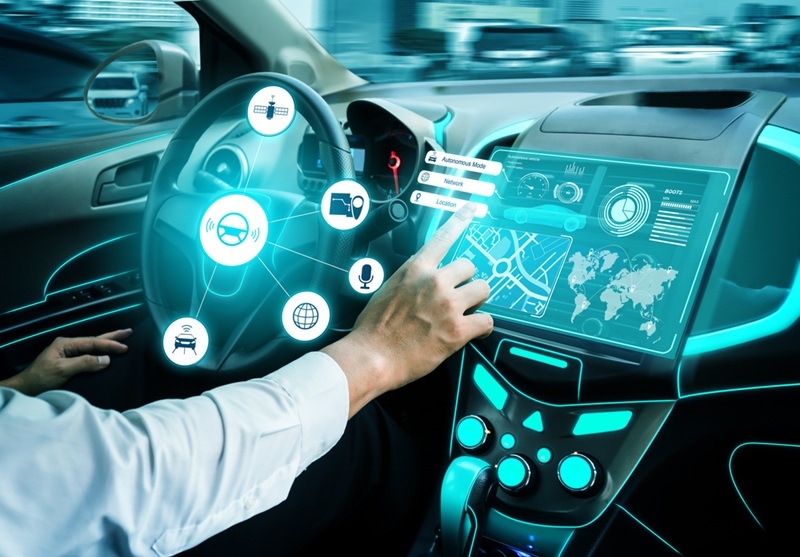
Car telematics is the brain of this entire ecosystem. It collects data, processes it and turns it into meaningful alerts. Without car telematics, connected cars would not be able to predict or respond accurately.
Car telematics studies speed, location, fuel consumption, braking patterns and overall driving conditions. It helps understand how the car is performing and what might affect it. Fleet companies use car telematics to track vehicles, reduce fuel waste and analyse driver behavior. Now these benefits have reached everyday cars.
Inside personal cars, telematics helps with smooth navigation, vehicle health reports and instant emergency assistance. This is why modern connected vehicles rely so heavily on car telematics. It is the invisible layer that keeps everything synchronized.
How 5G Cars Make the Experience Faster and Smarter?
5G cars bring a different level of speed and accuracy. Earlier, communication between vehicles had a slight delay. With 5G cars, the response time is almost instant. This helps in situations where even one second matters.
5G cars handle high volumes of information without slowing down. Weather updates, road conditions, vehicle warnings and navigation signals move faster through the network. This makes the entire system more reliable.
Another advantage of 5G cars is smoother app integration. You can use real time location sharing, remote lock and unlock, engine start, climate control and parking location tracking. Everything responds quickly because 5G cars process data at a higher speed.
As 5G becomes more widespread, you will see 5G cars becoming the norm rather than a premium feature.
Automotive Software and the New Driving Experience
Automotive software is the foundation behind these modern features. Cars are no longer only mechanical machines. They run on advanced automotive software that manages sensors, communication tools, safety systems and driving assistance features.
Automotive software decides how the car interprets road signals. It controls how alerts appear on your screen. It helps manage everything from fuel efficiency to lane guidance. As vehicles become smarter, automotive software keeps evolving to match new expectations.
Automotive software also allows updates without visiting the service center. This means your car can receive performance improvements, safety upgrades and new features directly through the network. You do not need to replace anything physically. The software adjusts and refreshes itself to stay current.
The Real Benefits of Connected Cars
Connected cars offer practical advantages that you feel every day.
1. Better Safety
Alerts arrive earlier. Reactions become quicker. Surroundings feel more predictable.
2. Reduced Stress
Navigation becomes simpler. Traffic feels manageable. The car takes on small responsibilities without distracting you.
3. Lower Maintenance Pressure
Early warnings prevent expensive repairs. Regular monitoring reduces sudden breakdowns.
4. Efficient Travel
Route planning becomes smarter. Fuel usage becomes steady. Trips become more organized.
5. Personalized Comfort
The car remembers your preferences. It adjusts settings automatically and maintains a familiar driving environment.
These benefits may not sound dramatic at first, but once you experience them, it becomes difficult to return to an older system.
How Connected Vehicles Will Shape the Future?
Connected vehicles are slowly preparing roads for a smarter future. As more connected vehicles join the network, traffic systems will start adapting. Route planning will become more precise. Danger alerts will become more accurate. Emergency response will become quicker.
Connected vehicles will also help create environmentally conscious routes by identifying traffic free paths. The long term impact can significantly reduce fuel waste.
Car telematics, 5G cars and advanced automotive software will work together as a single ecosystem. Roads will feel more organized. Driving will feel lighter. This future is not far. The foundation is already here.
You may like: Understand How to Maintain Your Car for Optimal Performance
Final Thoughts
Connected cars are not a trend. They represent a real shift in how people experience driving. They support drivers with smart insights, safety tools and simple day to day conveniences. They collect real time information and turn it into practical help. And they do all of this quietly while keeping you in full control.
Connected vehicles, car telematics, 5G cars and automotive software form the four pillars behind this change. They work together to make driving smoother and more predictable. As technology continues to evolve, connected cars will become an essential part of travel rather than an added feature.
This content was created by AI